
Frequently asked questions


ABOUT US
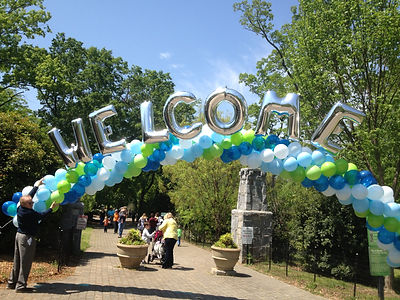
For over four decades, Balloons Over Atlanta has been the premier choice for event planning and balloon decor in Atlanta and the Southeast region. Whether you're looking for a beautiful balloon bouquet or an elaborate setup for a corporate gala, we're here to turn your vision into reality. Brian and Gayle Rubenstein, along with the management team of Sarah and Levon Parrish, lead the company with a family-infused culture that prioritizes diversity, acceptance, inclusion, respect, and commitment. Our team of dedicated event professionals takes pride in serving the Greater Atlanta event industry and communities. With a diverse group of creatives, each with their own unique style and expertise, we're able to deliver exceptional results that meet your specific needs. We believe in giving back to our community, and each year we donate our services and decor to a number of local and national nonprofits, fundraisers, and causes. As proud members of the Atlanta business community, we find joy in supporting those around us. Contact Balloons Over Atlanta today to learn more about our services and how we can help make your next event unforgettable.
